Amazon Now Is Live in Houston: 30-Minute Delivery From Micro Hubs
Amazon's 30-minute delivery service, Amazon Now, is already live in Houston for Prime members at $4 per order, pulling from small local micro hubs stocked with about 3,500 everyday essentials across the city.
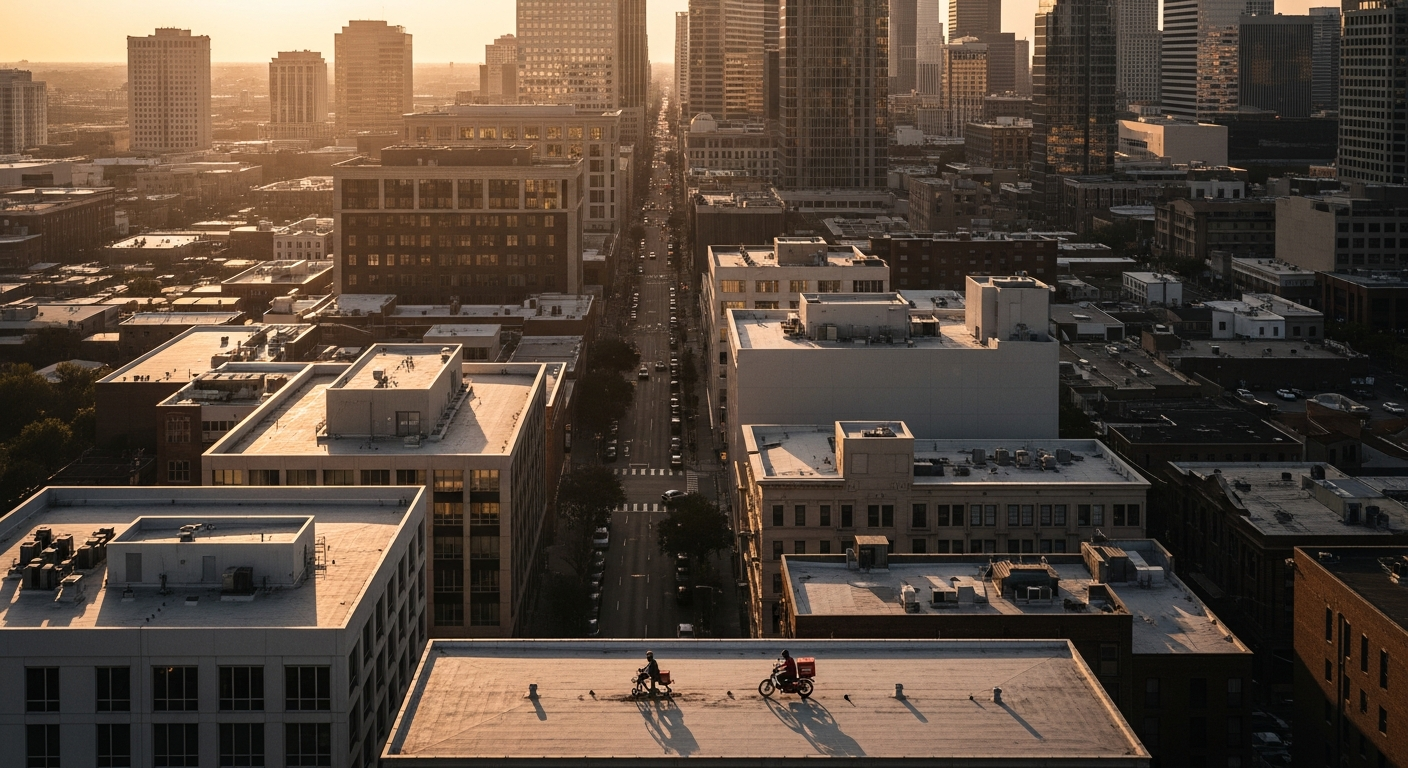
The mechanics here are worth understanding because they represent something genuinely different from how delivery has worked in Houston before.
Traditional Amazon delivery, even the fast same-day kind, depends on large fulfillment centers located well outside central Houston, typically in areas like Katy, Humble, or along major freight corridors. Getting a package from one of those facilities into a dense neighborhood like Montrose, the Heights, or Midtown in under an hour has always required a lot of logistical luck. Amazon Now sidesteps that problem entirely by staging inventory much closer to where people actually live.
The micro hubs at the center of this service are small by warehouse standards. Think of them less as distribution centers and more as stocked convenience stores that exist only to feed delivery drivers. Each location carries around 3,500 SKUs, which is a curated but genuinely useful selection focused on high-frequency, high-urgency purchases. These are not niche or specialty items. They are the products people reach for when something runs out unexpectedly or when a child is sick and the nearest pharmacy feels far away.
Amazon is not publishing the exact locations of these micro hubs, and the company has not made a formal time guarantee. What they have committed to is real-time order tracking and a goal of 30 minutes or less for Prime members. The $4 fee applies per order on top of Prime membership. For context on why Amazon is confident this will stick, the Reel notes that early data from their India launch supports the idea that once customers try the service, they tend to keep coming back. India is one of the more mature markets for ultra-fast urban delivery globally, so that data point carries some weight even without specific numbers attached.
Houston's footprint matters here. The city is massive and spread out, which has historically made rapid last-mile delivery harder to execute than in denser metros. The fact that Amazon chose Houston as part of its first US rollout suggests the company believes it has solved enough of the logistics puzzle to work even in a low-density, car-dependent city. That is a meaningful signal about how they see the technology scaling nationally.